

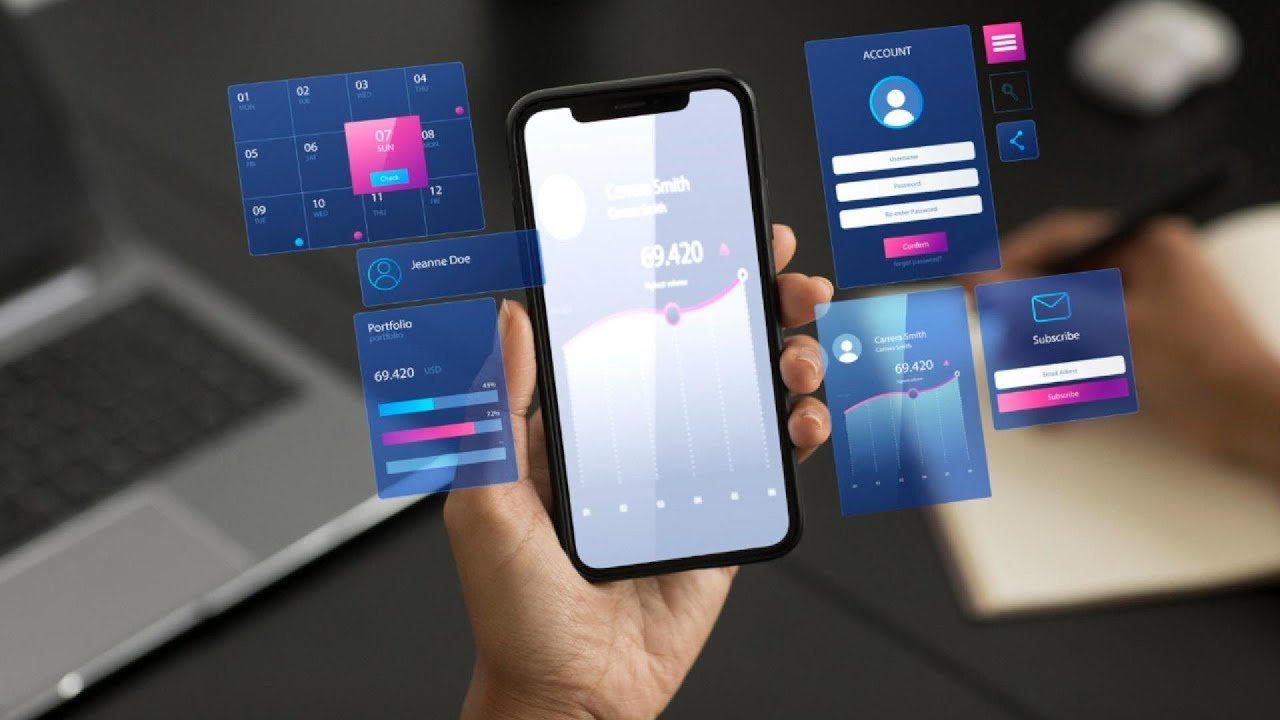
Do You Need a Mobile App? A Practical Guide for Growing Businesses
Somewhere between the second and third year of growth, most business owners have the same thought: we should probably have an app. Sometimes that instinct is right and the app becomes the most valuable thing the company builds. Often it produces an expensive icon that nobody opens twice.
The difference is rarely budget or build quality. It is whether the app earns a place on a screen that already has too many. Here is how to work that out before committing to mobile app development.
The One Question That Filters Most Ideas
Ask this: what does the app let a customer do that a fast mobile website could not?
If the honest answer is “nothing, but it would feel more professional”, the project is unlikely to succeed. Apps are not a credibility upgrade — they are a commitment you ask customers to make, and most people install nothing new in a given month.
Good answers usually involve one of five things: repeat use, offline access, device features, notifications that genuinely help, or a workflow that is faster when the app remembers who you are.
When an App Genuinely Makes Sense
Mobile app development pays for itself most reliably in these situations:
- High-frequency use. Customers interact weekly or daily — ordering, booking, tracking, logging
- Personal, saved state. Accounts, preferences, history and saved items make each visit faster
- Device capabilities. Camera, GPS, Bluetooth, biometrics or offline storage are central to the experience
- Useful notifications. Order updates, appointment reminders, time-sensitive alerts customers want
- Internal operations. Field staff, drivers, technicians or warehouse teams working away from a desk
- Loyalty and retention. A programme that only works if it lives where customers already are
Internal operational apps deserve more attention than they get. They face no download problem, adoption is guaranteed, and the return is measurable in hours saved.
When a Responsive Website Is the Better Investment
If your customers interact a few times a year, the app will be deleted before its second use. Occasional purchases, one-off services, information-led businesses and early-stage validation are all better served by a fast, well-designed mobile website.
A responsive site is also discoverable through search, needs no install, updates instantly without app store review, and costs a fraction to maintain. For many businesses, spending the app budget on site speed and conversion produces a larger and faster return.
Native, Cross-Platform or PWA?
Once an app is justified, the next decision is how it gets built.
Native means separate iOS and Android applications, each written in that platform’s own language. It delivers the best performance and the deepest access to device features, at the highest cost, because two codebases must be built and maintained.
Cross-platform frameworks build both apps from one shared codebase. Development is faster and cheaper, the interface can still feel native, and the trade-off appears only in graphics-intensive or hardware-heavy work. For the majority of business apps, this is the sensible default.
Progressive web apps are websites that behave like apps — installable from a browser, capable of offline caching and, on most platforms, push notifications. No app store, no download friction, one codebase. They cannot match native access to every device feature, but they cover a surprising amount of ground for content, booking and account-based products.
What Actually Drives the Cost
Mobile app development pricing varies enormously because the label covers wildly different things. The variables that matter most:
- Number of distinct user roles and screens
- Whether you need a custom backend or can use existing services
- Account systems, payments, and third-party integrations
- Offline behaviour and data synchronisation
- Design complexity and how much is custom rather than standard components
- Ongoing maintenance — operating system updates alone require yearly work
The last point catches people out. An app is not a finished asset; it is a product that needs releases. Budgeting for the build without budgeting for the following two years is the most common planning error.
Start Smaller Than the Plan
The most successful first releases do one thing extremely well. Every additional feature in version one multiplies cost, delays launch, and adds surface area for bugs — usually to support behaviour you have not yet confirmed customers want.
Identify the single action that represents the core value, build that with real polish, and release. Version two should be shaped by usage data rather than by the original wishlist.
Plan for Launch, Not Just Build
An app that ships without a plan for getting installed will sit at a few dozen downloads indefinitely. Before development finishes, decide how existing customers will hear about it, what will be on the app store listing, what the first-run experience teaches, and how you will measure whether people come back.
Retention after seven days is a far more honest measure of success than total downloads.
Final Thoughts
The right question is not whether your business could have an app. It is whether your customers have a reason to keep it. When usage is frequent, personal or operational, mobile app development is one of the strongest investments available. When it is occasional, a fast responsive site will almost always outperform it.
Adverge Solutions builds mobile apps for businesses where the case is real — and helps clients recognise when it is not yet.